Former MP Rejects Bribery Allegation For Falling Below Minimum Bribe Wage
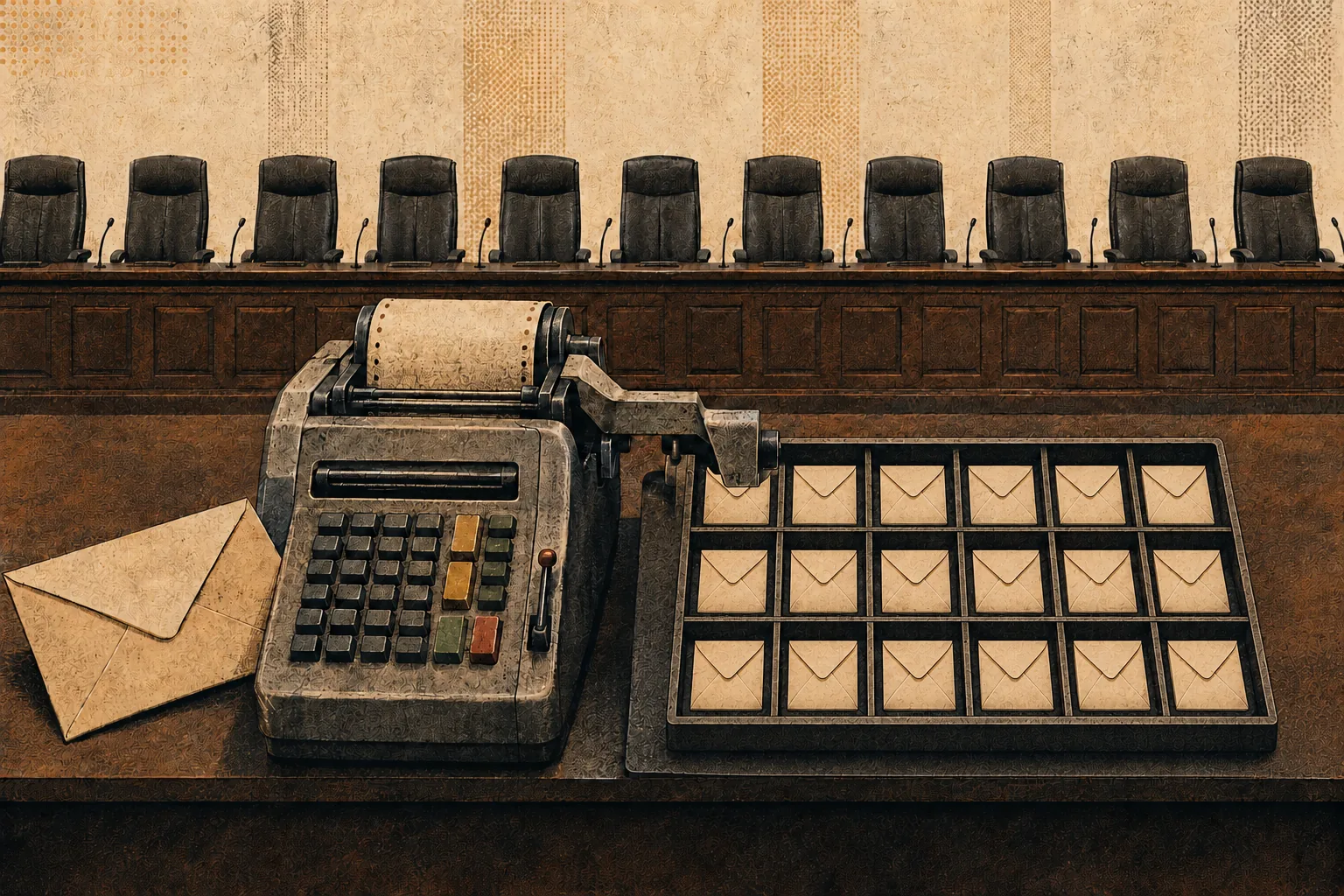
K.T. Hammond has rejected the suggestion that members of Parliament’s Energy Committee shared an alleged $46,000 bribe, partly by calculating that 18 MPs and secretariat staff would receive only about $500 or $1,000 each and asking whether he was “that bloody cheap.” Ghana has therefore moved the bribery discussion from whether public officials were paid to whether the proposed rate respected parliamentary dignity.
Under the emerging minimum bribe wage, any allegation must first pass a compensation review. Investigators will divide the alleged amount by committee members, secretariat staff and everybody else required to move the document. If the resulting figure resembles ordinary Ghanaian income, the allegation may be rejected as economically implausible because respectable corruption must apparently keep pace with inflation.
The principle offers officials a useful defence: not “I did not take it,” but “surely you believe I would cost more.” Small envelopes could be returned for adjustment, while committees establish salary bands based on seniority and ratification difficulty. Hammond denies the committee knew of or received the money. But by objecting so vividly to the arithmetic, he has given Ghana its first corruption allegation that failed not an ethics test, but a market valuation.
This is satire. The source story is real; the conclusions have been faithfully misinterpreted.